Subsea Cable & Umbilical Factory Splicing
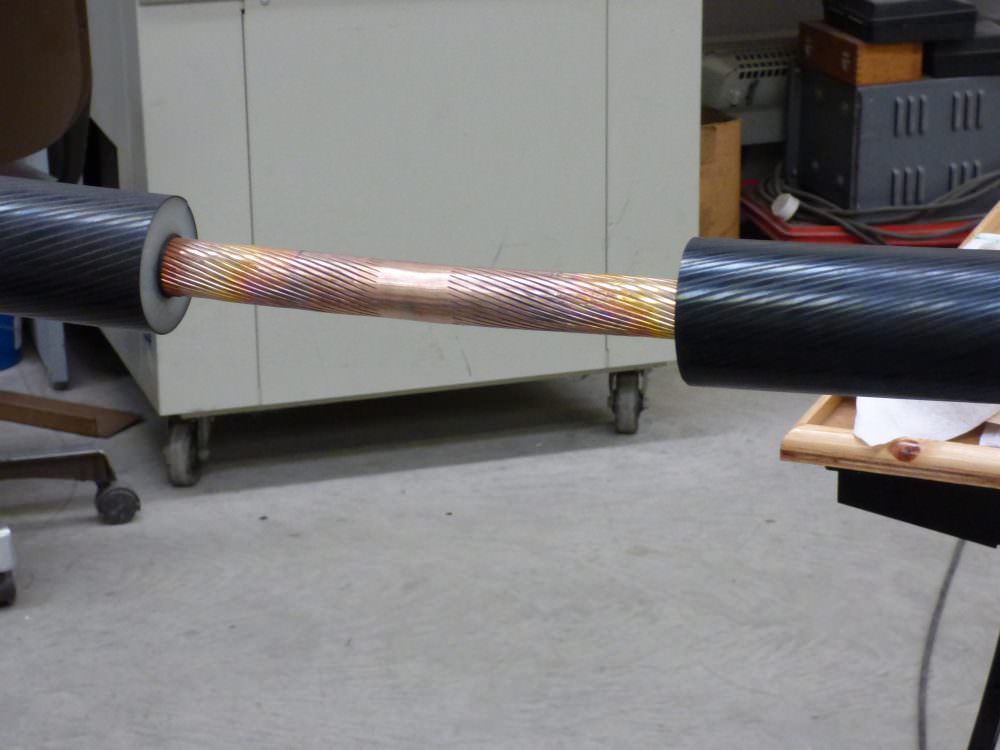
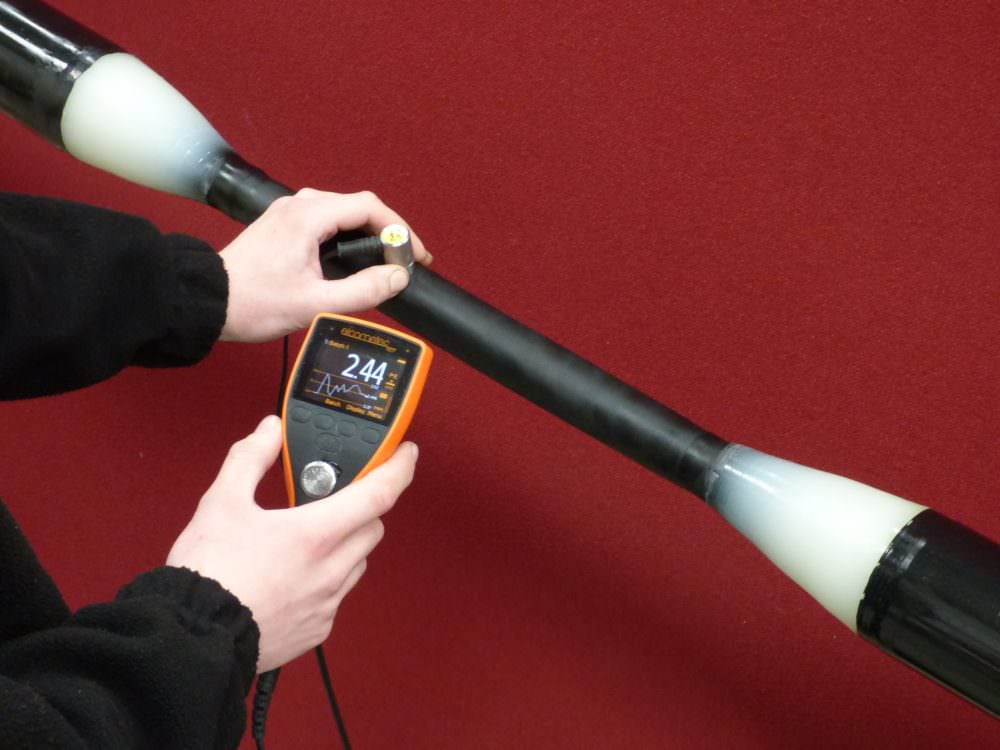
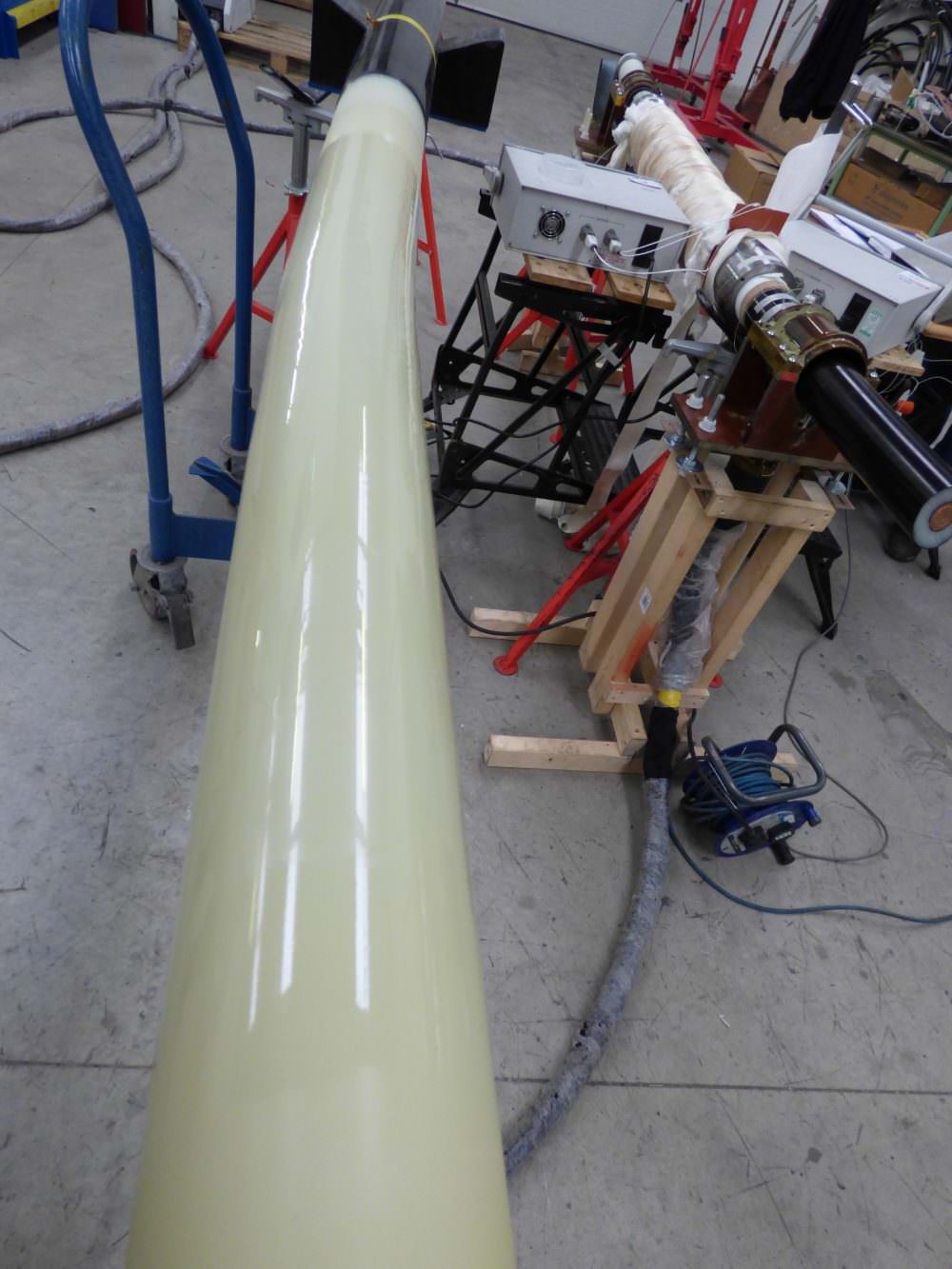
To enable the manufacture of long continuous lengths of subsea power cables and umbilicals, required for many oil & gas and renewable energy projects, it is necessary for the manufacturer to joint or splice together shorter lengths of power cores during the cable assembly (‘lay up’) process. Factory joints must match the diameter and flexibility as the power cable to be jointed.
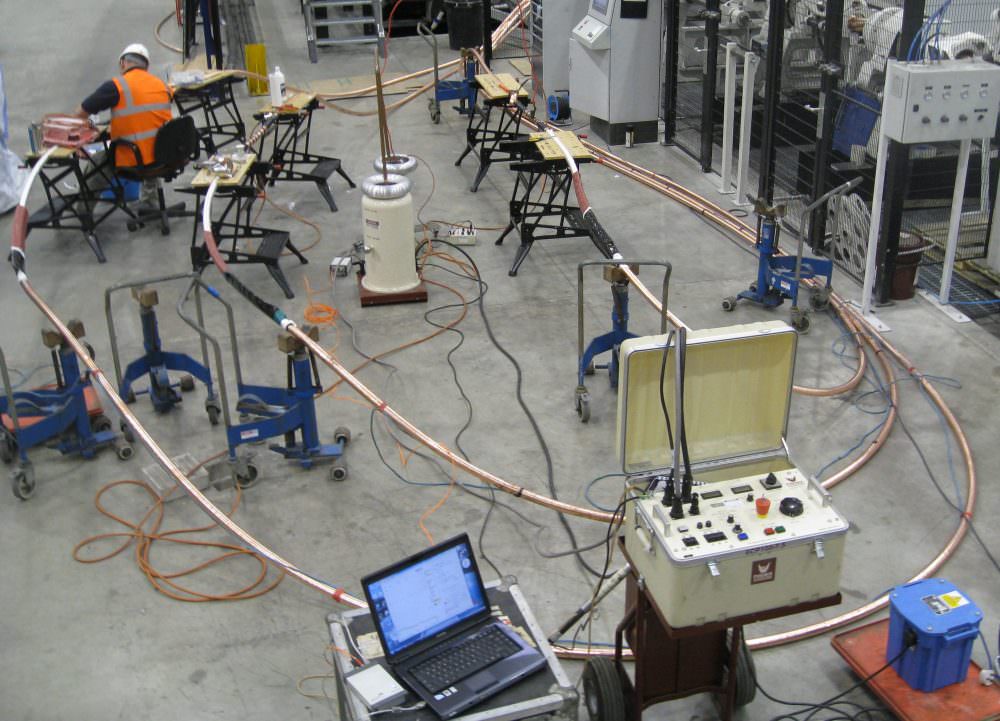
During manufacture, installation and in service, submarine cables and umbilicals are subjected to mechanical and hydrostatic forces not encountered by conventional underground cables. It is essential that the splices match or surpass the mechanical, hydrostatic and electrical requirements of the finished cable, and that they are reliable for the life of the subsea system – often up to and beyond 25 years.
Power CSL’s track record extends over 30 years and its techniques have been used to install more than 2,500 power core splices in oil & gas and offshore renewable energy cable links around the world. Power cables and umbilicals containing Power CSL splices have been deployed in a range of water depths, from shallow near-shore renewables applications to ultra-deep (up to 3000m) subsea oil production systems.
While the splicing process is most commonly applied at the lay-up stage of cable manufacture, Power CSL has also developed techniques for splicing power cores after lay-up, for jointing of power core triads (which are in turn laid up into more complex umbilical assemblies).
The production of long length subsea cables and umbilicals is challenging, even for very experienced manufacturers. Should the power cores be damaged at any stage of the assembly process Power CSL’s proven factory splicing technique can repair the effected section, avoiding the immense cost of re-making the entire subsea cable length.
Power CSL’s expert engineers and technicians are deployed to clients’ factories around the world to provide this service. It is highly specialised work that can, if required, be undertaken at the dockside.
Please contact us to discuss your particular project factory splicing / jointing requirements
Factory splicing / jointing product datasheet – Invalid download ID.
Factory splicing project reference list – Invalid download ID.